

Echoes of Genesis

Systems & Narrative Design Case Study

MMO-scale class design, encounter structure, and world architecture, curated for portfolio signal (not a build).

Overview

What this project demonstrates (and why it belongs in a portfolio).

Echoes of Genesis is a long-form game design project focused on building scalable MMO-style systems: specialization-driven classes, modular combat frameworks, and narrative delivered through in-world artifacts and diegetic UI.

This page intentionally highlights design frameworks and production-ready concepts, not a gameplay build — to demonstrate large-scale systems thinking, readability, and expansion planning.

Design Pillars

  • Systems-first scalability: mechanics that expand cleanly across content drops.
  • Class identity: each kit has constraints and a reason to exist beyond raw numbers.
  • Readable combat: telegraphs, role clarity, and meaningful decision space.
  • Narrative as gameplay: discovery via CABAL/archives/diegetic UI instead of exposition dumps.

Core Deliverables

  • GDD (pillars & systems)
  • Class/specialization guide
  • Encounter concepts
  • TDD excerpts (technical awareness)
  • UI concepts (security-desk login)
  • Concept art & tone references
The Abandoned Realm splash screen
The Abandoned Realm, splash / tone reference
Echoes of Genesis logo
Project identity

World & Visual Direction

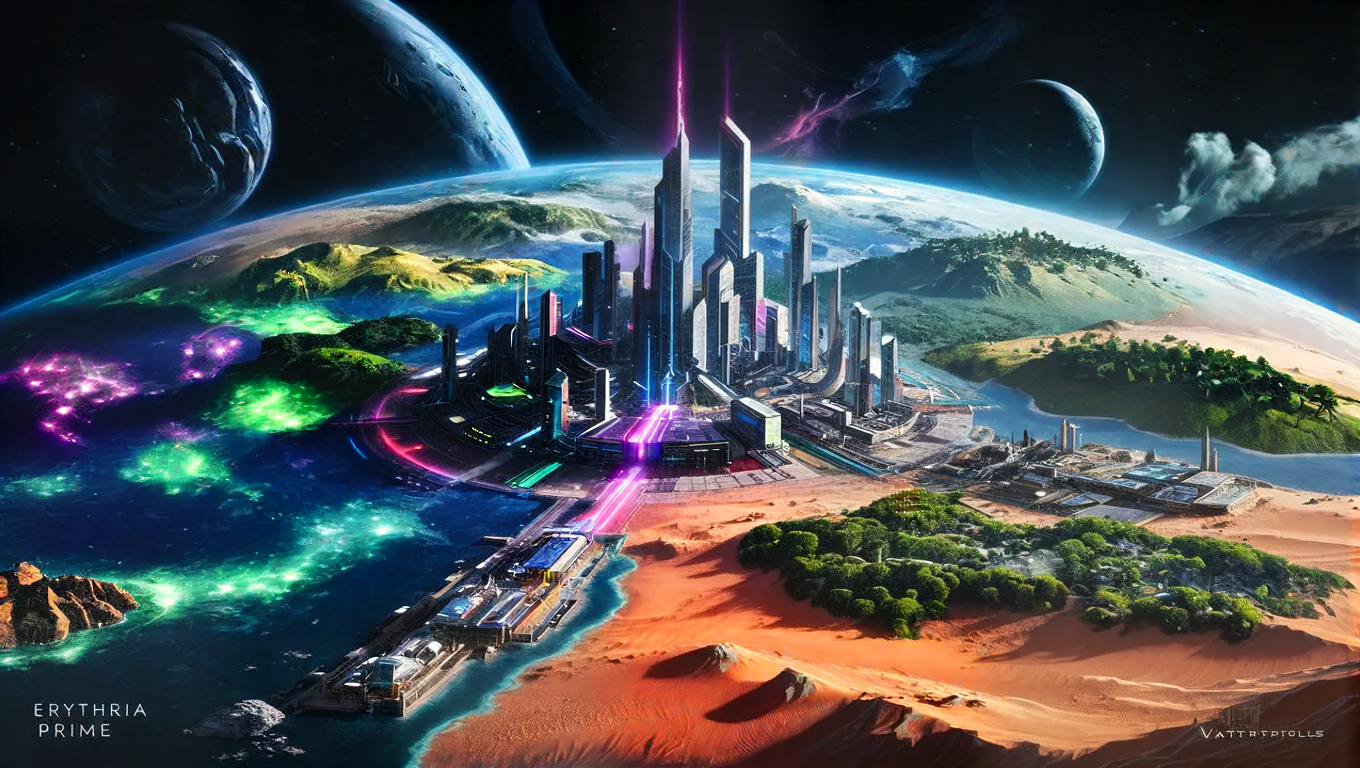
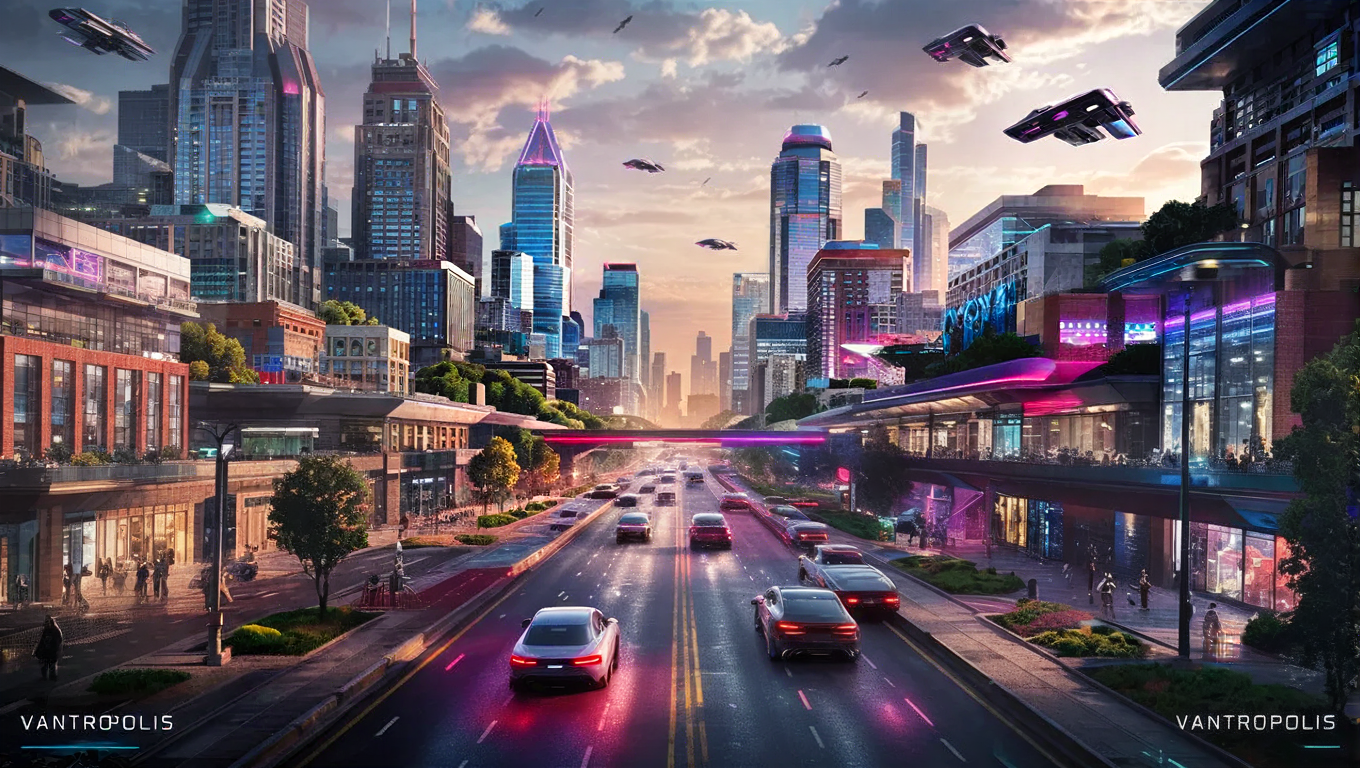
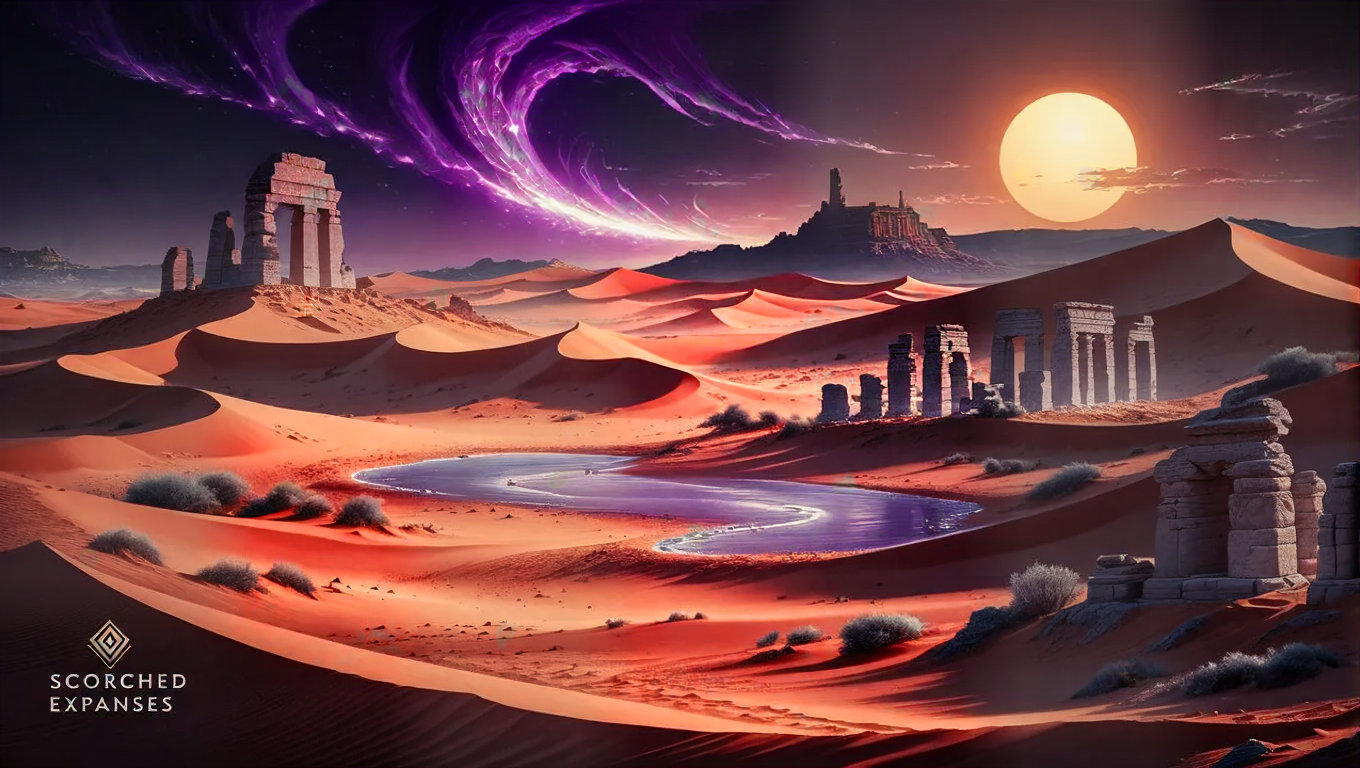
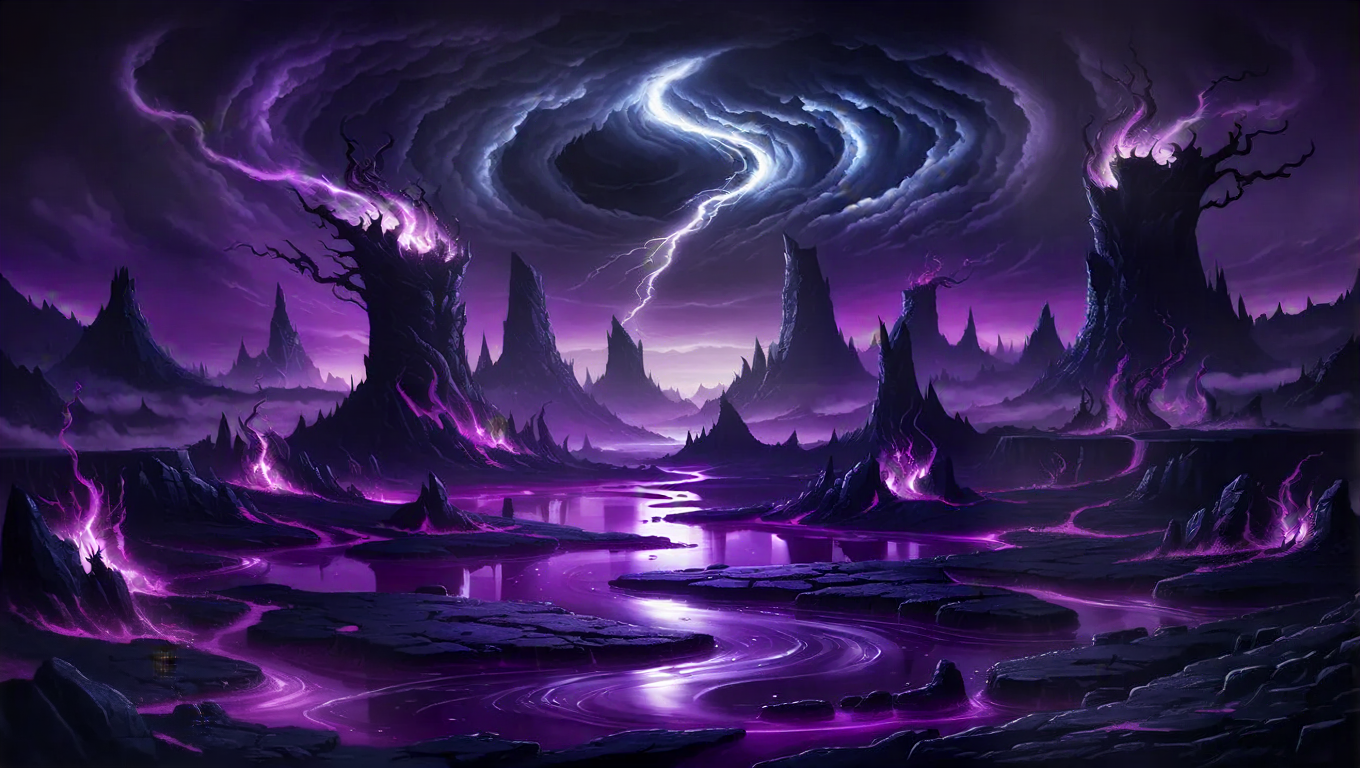
Zones are designed to be readable, distinct, and mechanically purposeful.

Erythria Prime world concept
Erythria Prime, world identity
Vantropolis concept art
Vantropolis, cyberpunk megacity concept
Scorched Expanse concept art
Scorched Expanse, harsh environmental zone
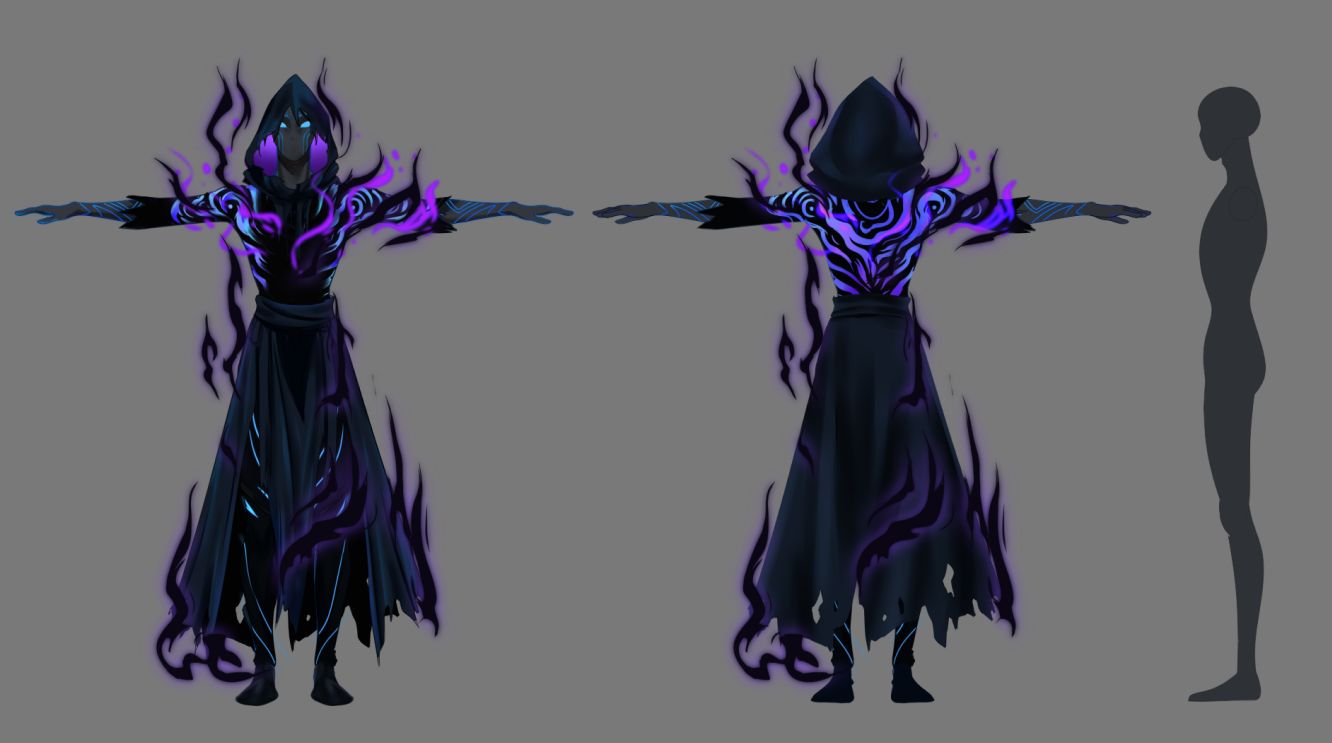
Void zone concept art
Void-corrupted zone, corruption & threat framing

Systems Deep Dives

The frameworks that keep the universe scalable and coherent.

1) Class & Specialization Framework

  • Classes are structured around fantasy + role clarity (DPS, tank, support, hybrids).
  • Specializations create distinct play patterns and tradeoffs rather than linear power.
  • Goal: long-term balance through identity + constraints, not “one class does everything.”

2) Cosmic Alignment & Attributes

  • Twilight (Shadow + Light): balance and versatility.
  • Abyssal (Shadow + Void): obscuration and destruction.
  • Cosmos (Void + Light): creation and transcendence.
  • Alignments influence ability behavior, visuals, and encounter theming for cohesion.

3) Encounter Structure

  • Multi-phase encounters emphasize movement, teamwork, and readability.
  • Role responsibilities create replayable learning loops and reduce “DPS check” design.
  • Internal example reference: multi-boss → fusion phase encounter concepts.

4) Diegetic UI: Security Desk Login Concept

  • Login framed as an in-world interaction with a reactive security guard NPC.
  • Diegetic feedback: holographic fields, contextual dialogue, queue-time interaction.
  • Mysterious cosmic cat cameo foreshadows future lore (Astralborn).
  • Design goal: UX that feels like worldbuilding, not a separate menu screen.
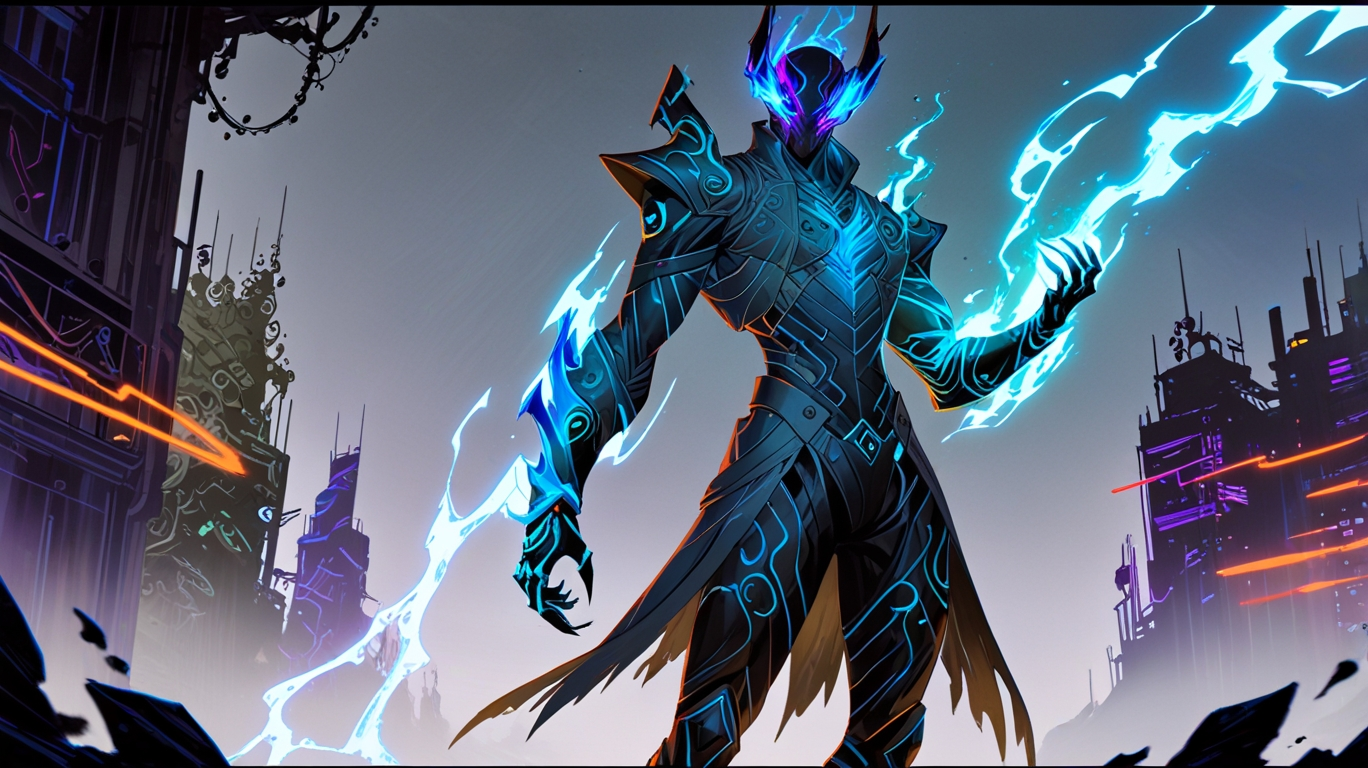
Lightning Tempest concept art
Elemental Adept, Lightning Tempest (fast chain-damage identity)
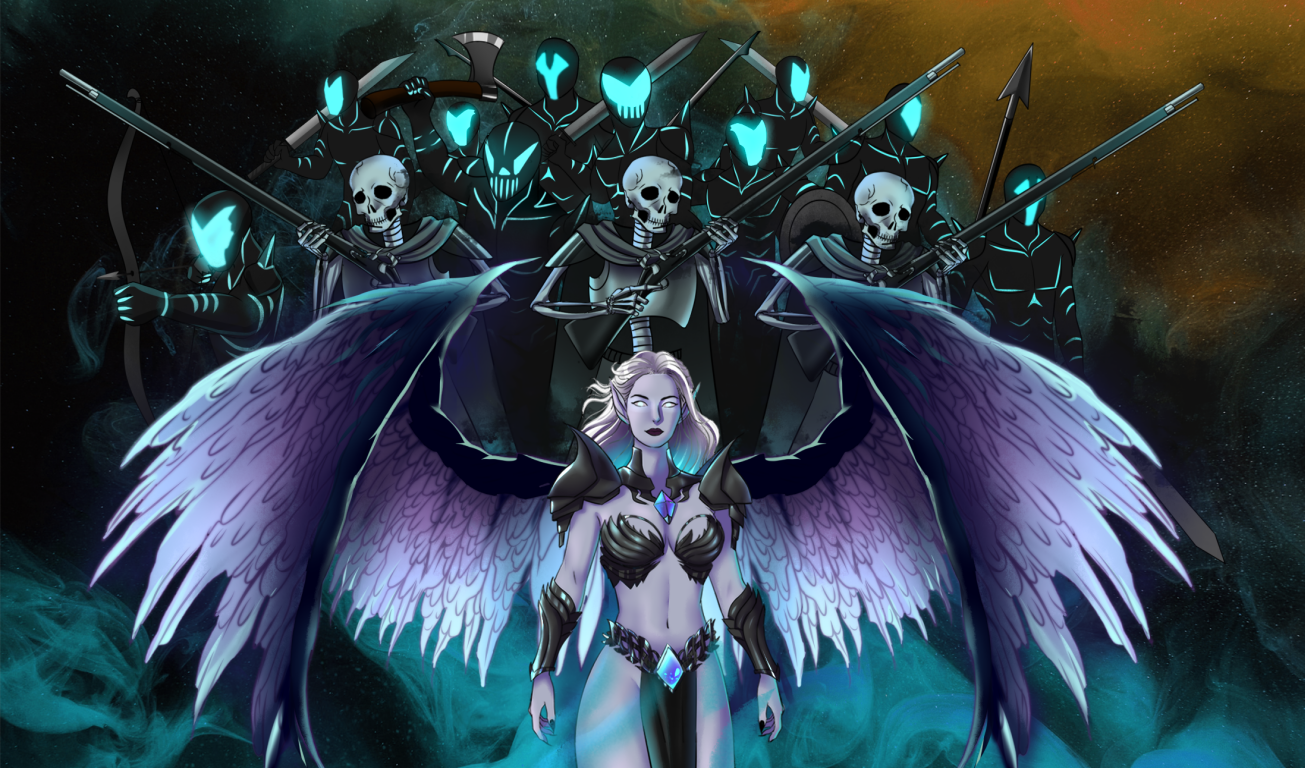
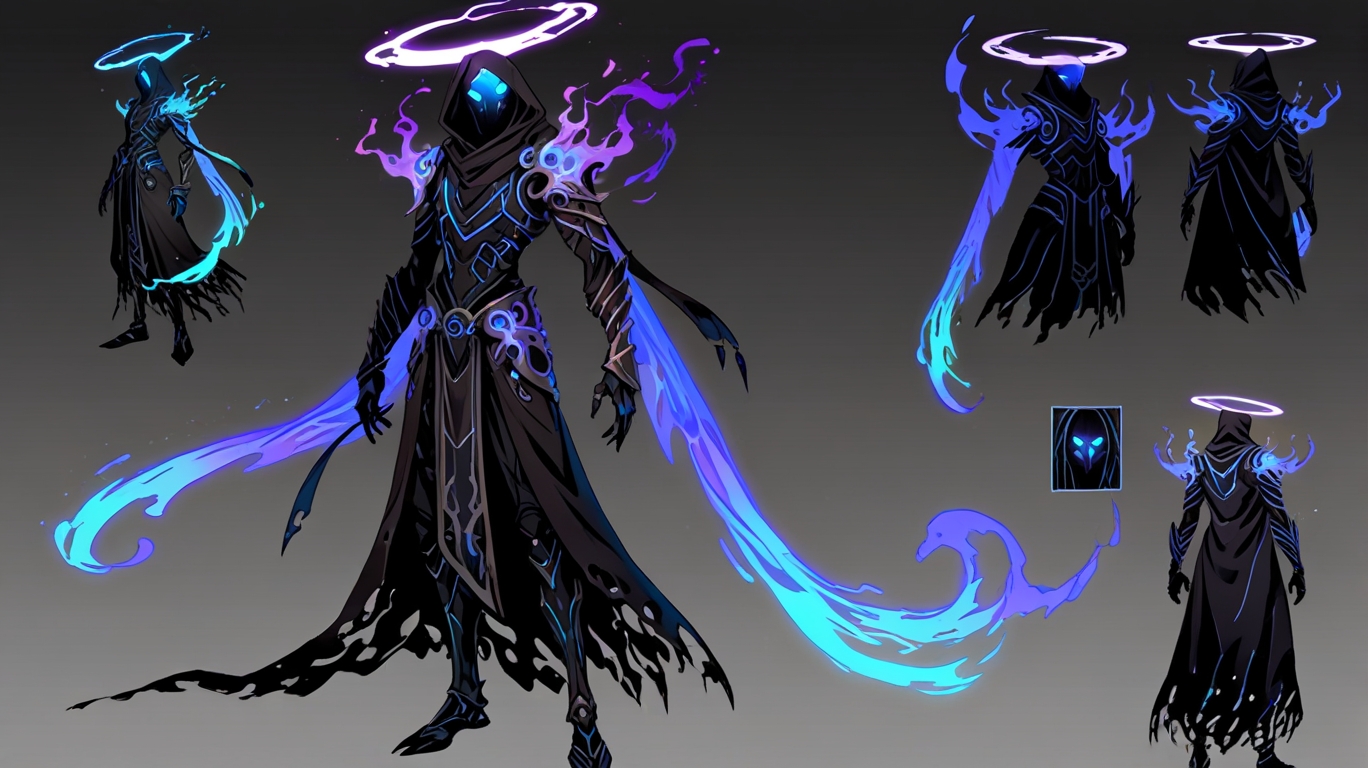
Necroweaver concept art
Umbrawarden, Necroweaver (summoning/dark magic identity)

Races & Faction Readability

Silhouette and aesthetic choices that reinforce gameplay expectations.

Mortalis concept art
Mortalis, baseline human identity & silhouette
Omnilith concept art
Omnilith, cosmic mythos anchor
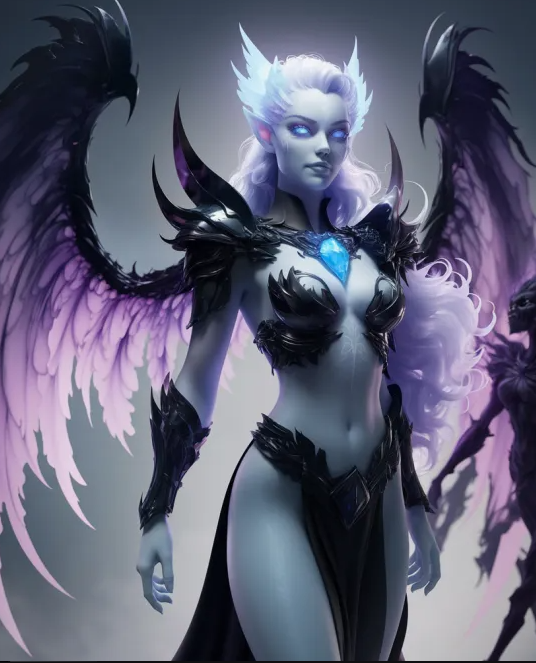
Valkyrie concept art
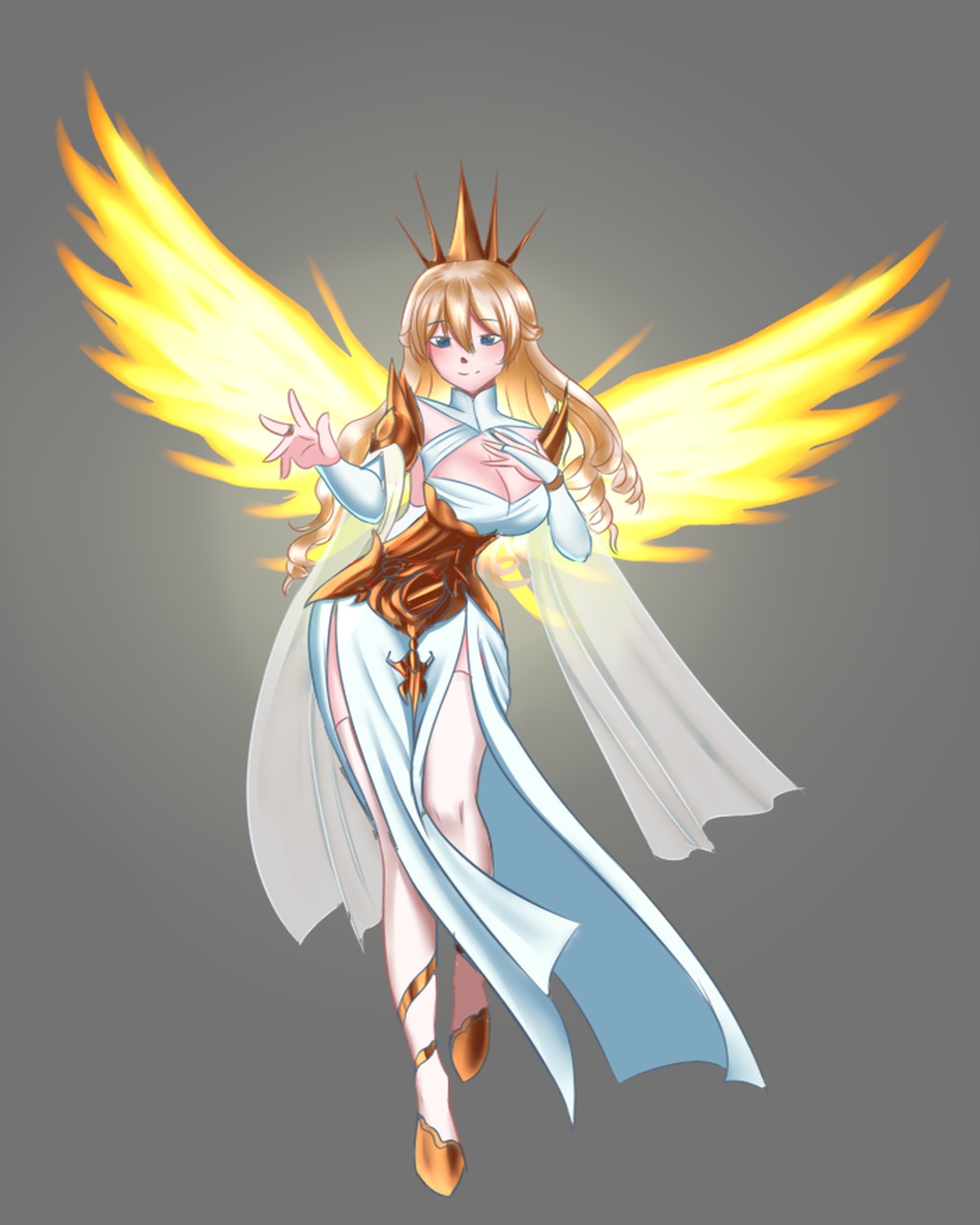
Val’kyr, celestial warrior silhouette
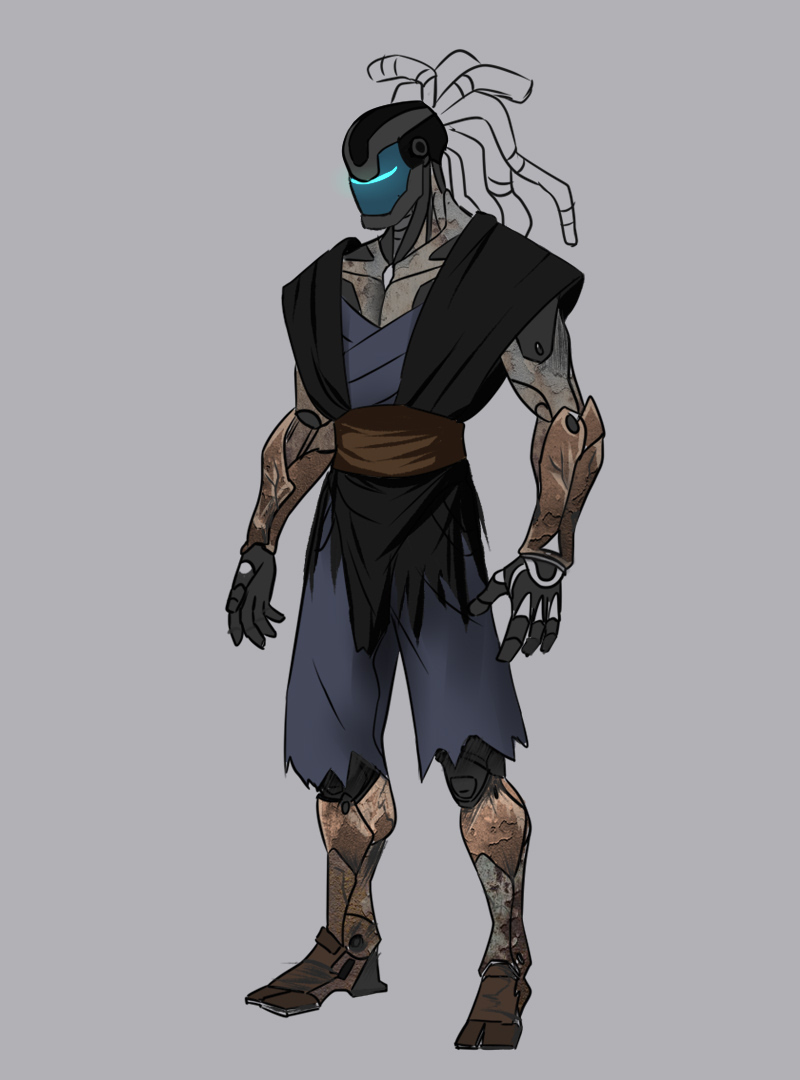
Machina concept art
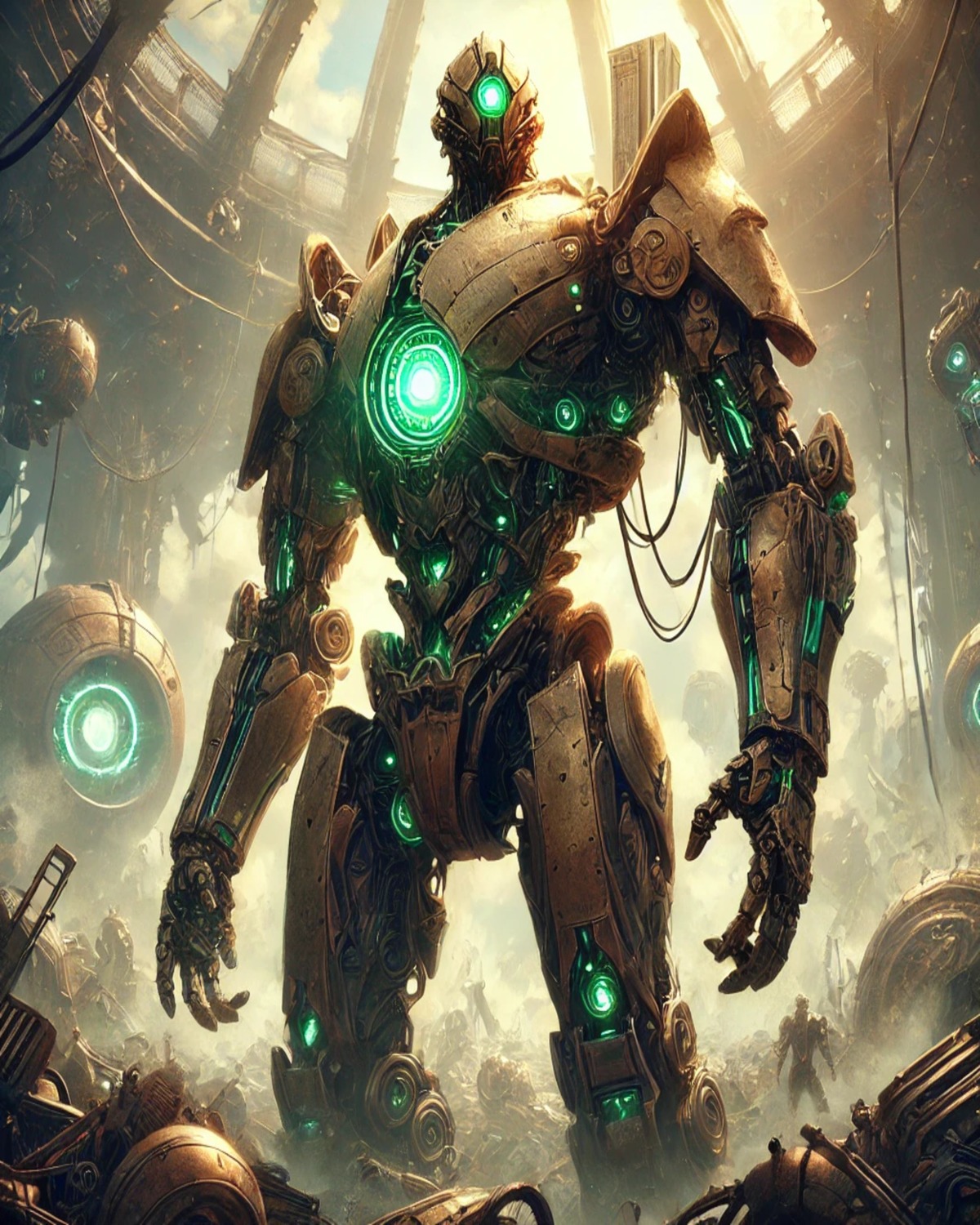
Machina, cybernetic faction visual direction
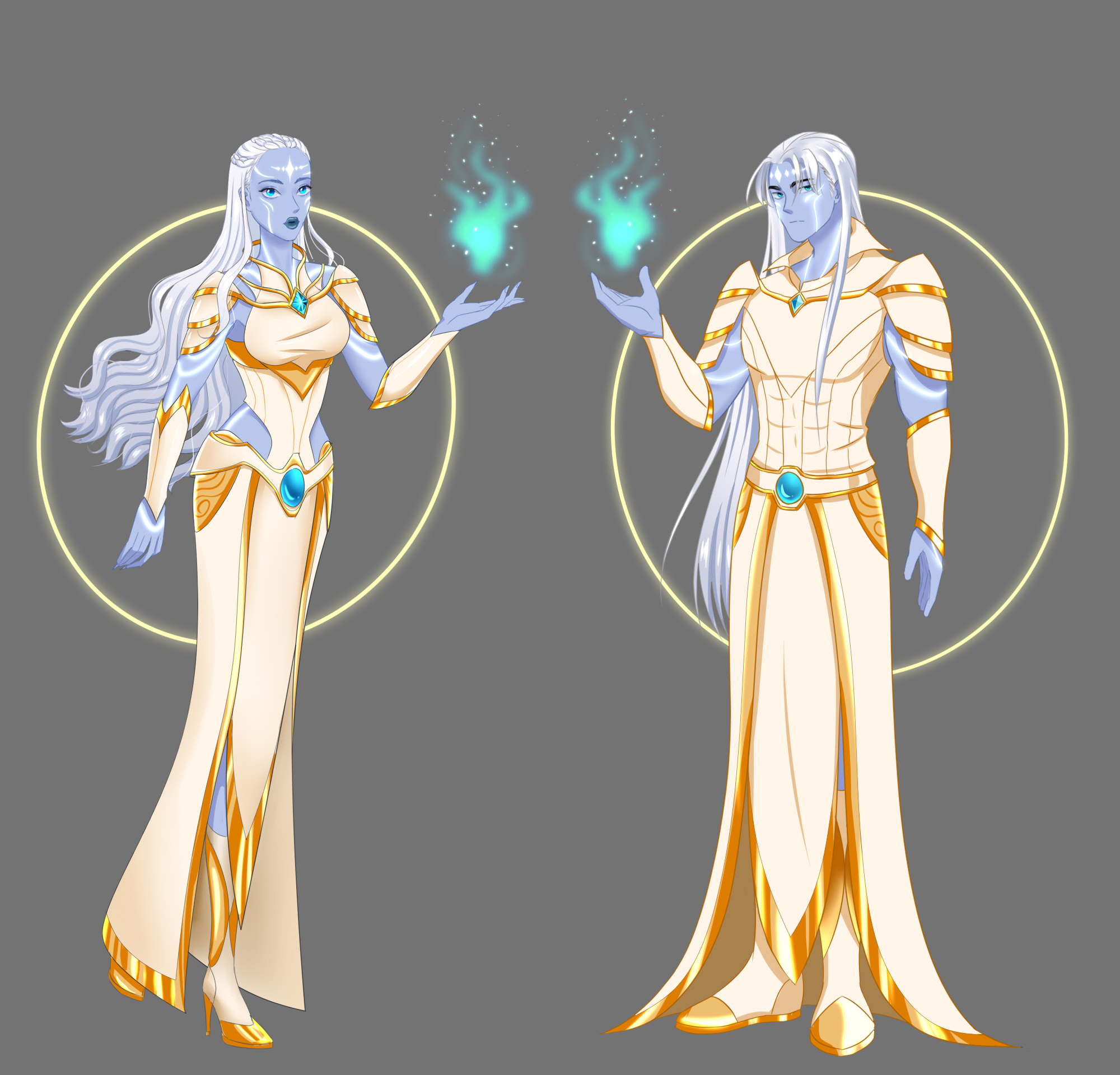
Aetherion concept art
Aetherion, transcendent arbiters of balance and discipline
Luminari concept art
Luminari, alignment-driven beings enforcing structure and hierarchy

Key Characters

Narrative anchors used to deliver systems and worldbuilding through gameplay.

Rylan Kane

Legion commander and ex-Spectre who leads through tactical calm, dry humor, and a stubborn moral line. Built to bridge player progression with the Omnilith mythos and long-term endgame stakes.
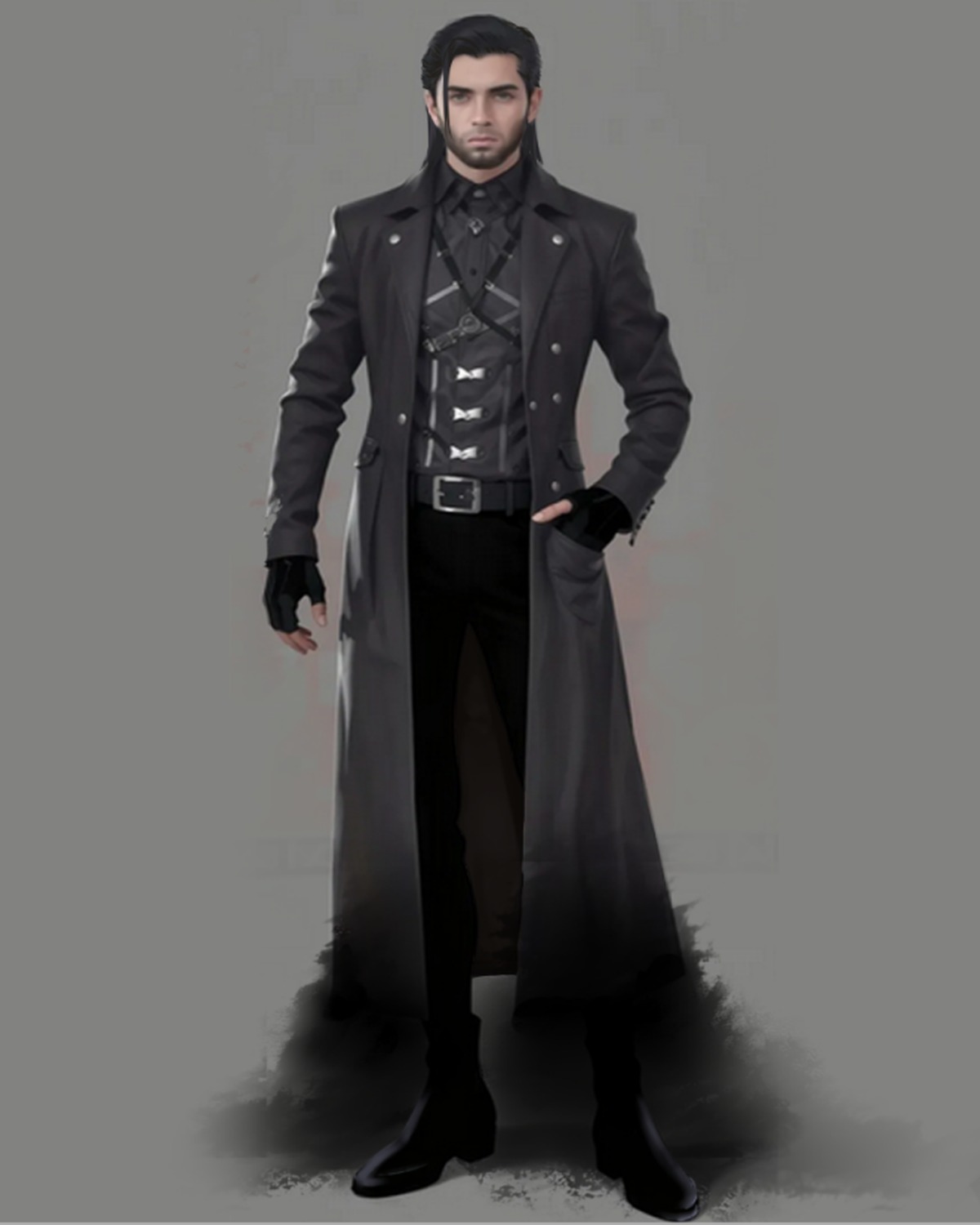
Rylan concept art

Serina Altharys

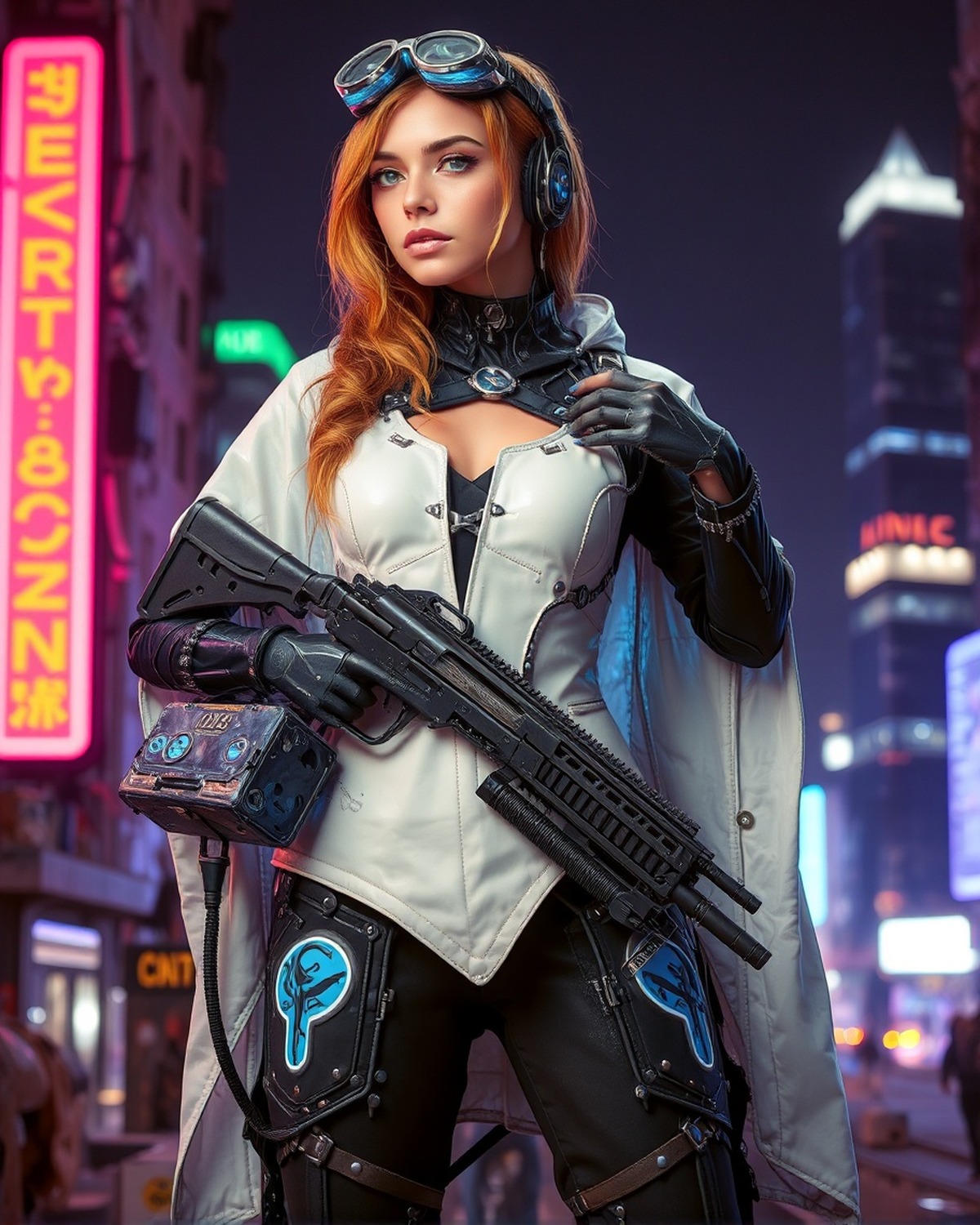
Cybernetic marksman defined by silence, precision, and an almost comical devotion to food. She converts “cool sniper fantasy” into clear gameplay reads: patience, positioning, and lethal decision-making.

Serina concept art

Clyreus

Gentle-giant Machina protector with a builder’s heart. He represents the “create/repair/protect” axis of the world—bringing engineering fantasy and frontline support into the party’s emotional core.

Clyreus concept art

Arlena Solraven

Inquisitor and Angel’s Disciple—warm, graceful, and absolutely willing to judge you into next week. She embodies Light as both mercy and authority, giving you a strong moral-pressure character with healer/support identity.

Arlena concept art

Credits & Notes

Attribution, placeholders, and the broader narrative framework.

Some imagery shown in this case study includes AI-generated placeholder visuals used to communicate tone, silhouette, and thematic direction during early design. These placeholders will be replaced with final, original artwork as the project’s art production ramps up.

Several concept pieces and visual references were produced by Orrathai Nalkon as part of early exploration and direction setting.

Echoes of Genesis is organized as a multi-title universe: four main titles supported by a mobile companion experience and a single-player perspective entry, with shared lore, documentation, and narrative continuity designed to be discoverable across releases.

My Role

I lead the systems design and narrative architecture: defining class frameworks, encounter structure, world cohesion rules, and player-facing delivery methods (including diegetic UI concepts). The goal is consistency, scalability, and clarity — so the universe can expand without breaking itself.